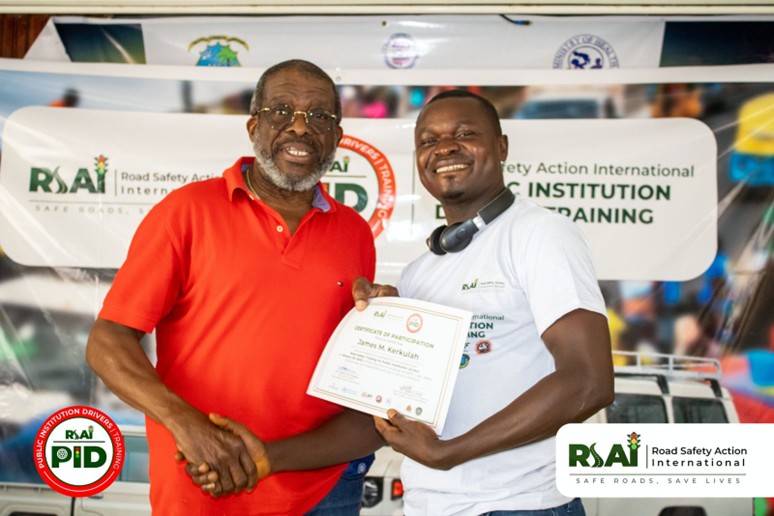
Road Safety Action International Launches Nationwide Road Safety Training for Public Institution Drivers
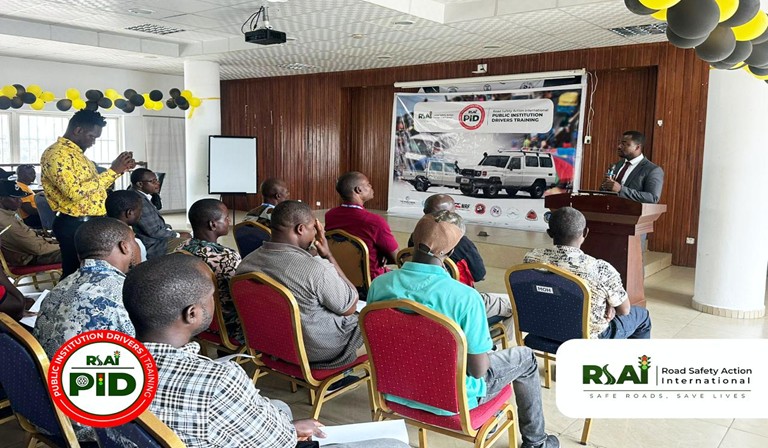
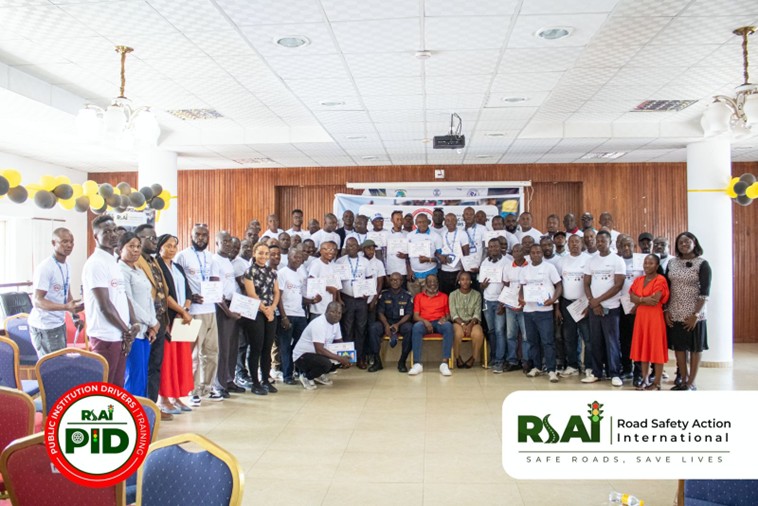
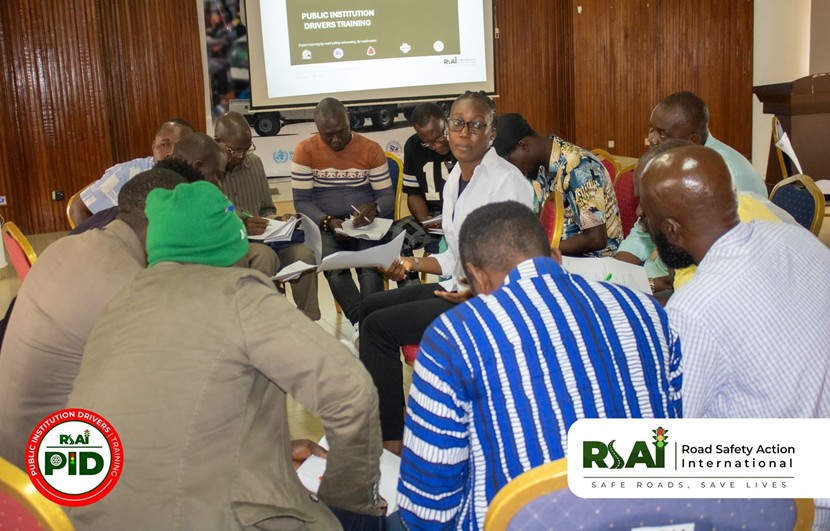
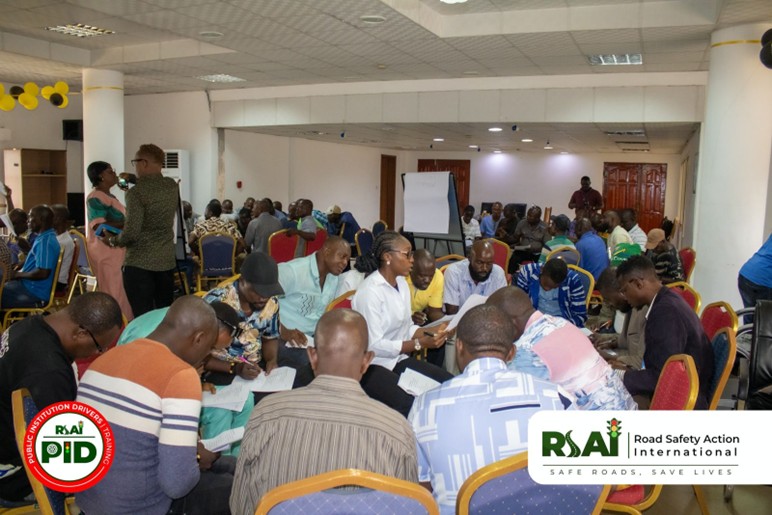
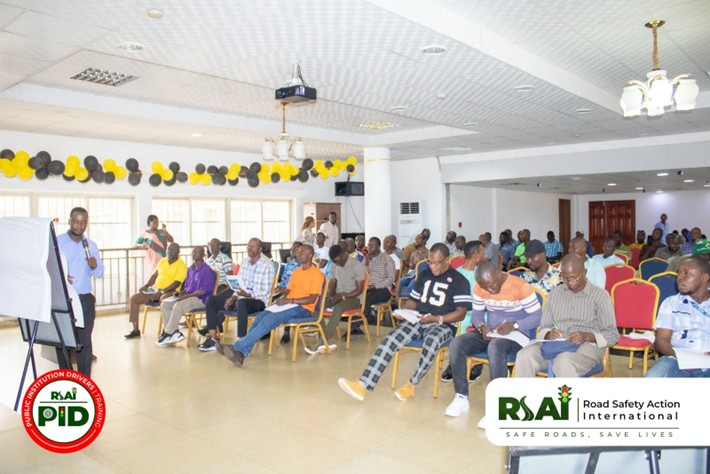
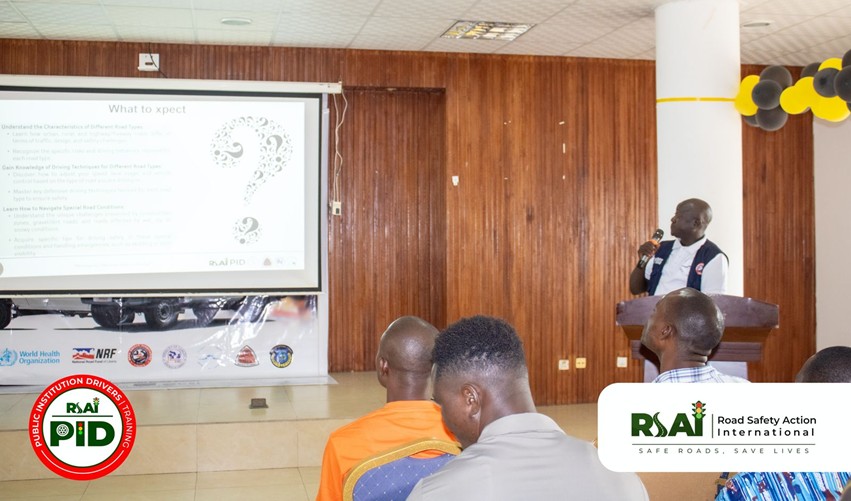
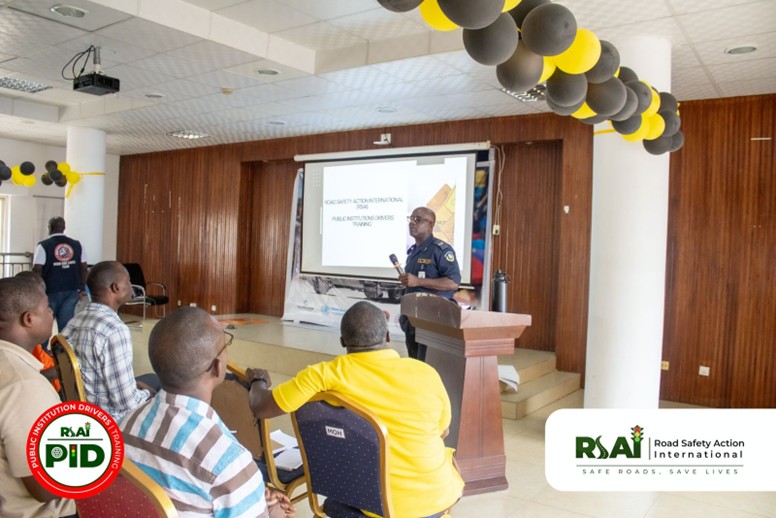
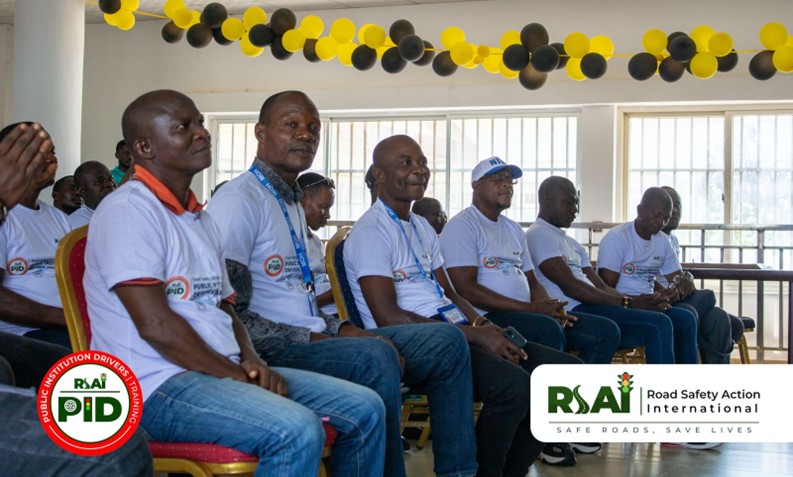
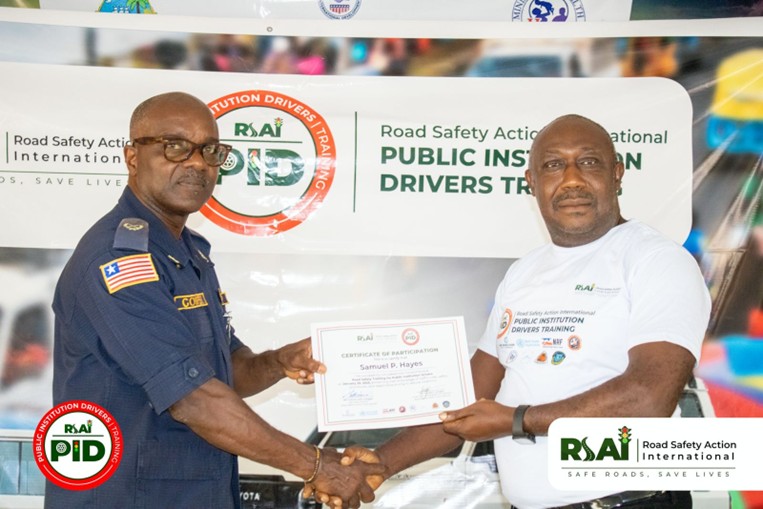
The program opened at the Ministry of Health, where 85 government drivers completed an intensive three-day training.
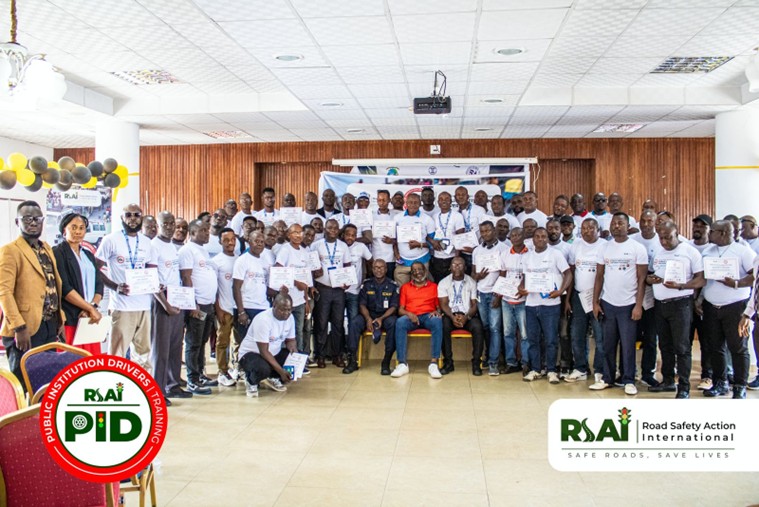
- 85Ministry of Health drivers trained
- 3 daysIntensive training
- 1stSession of the PID program
- 4Ministries in Phase I
Monrovia, Liberia – In a new initiative to curb the alarming rate of road crashes in Liberia, Road Safety Action International (RSAI) has officially launched an inclusive Road Safety Training Program for drivers of public institutions. The program targets multiple government ministries and equips public drivers with essential road safety knowledge, defensive driving techniques and crash prevention skills.
The official launch and first training session took place at the Ministry of Health, where 85 government drivers completed an intensive three-day training.
Why the training matters
The initiative comes as Liberia continues to see a steady rise in road crashes, with devastating consequences for families, communities and the national economy. With a road traffic fatality rate among the highest in the region, Liberia faces enormous socio-economic losses through medical costs, lost workforce productivity and the untimely deaths of breadwinners.
Road crashes have become a leading cause of death and injury across the country, worsened by reckless driving, poor road conditions, lack of adherence to traffic laws and inadequate driver training. They also disrupt government operations: many crashes involve public vehicles transporting government officials and essential personnel.
What drivers are learning
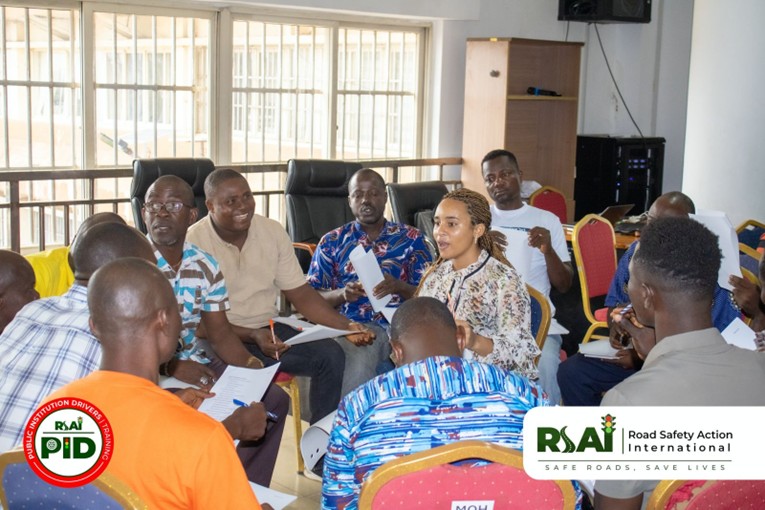
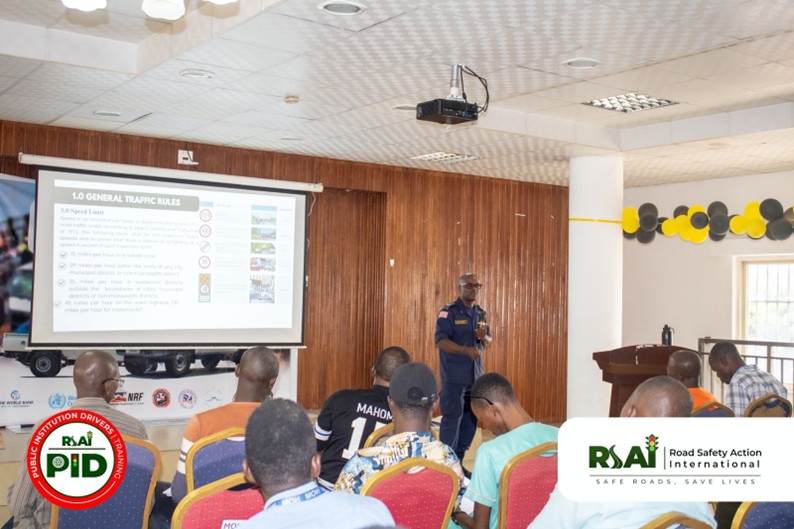
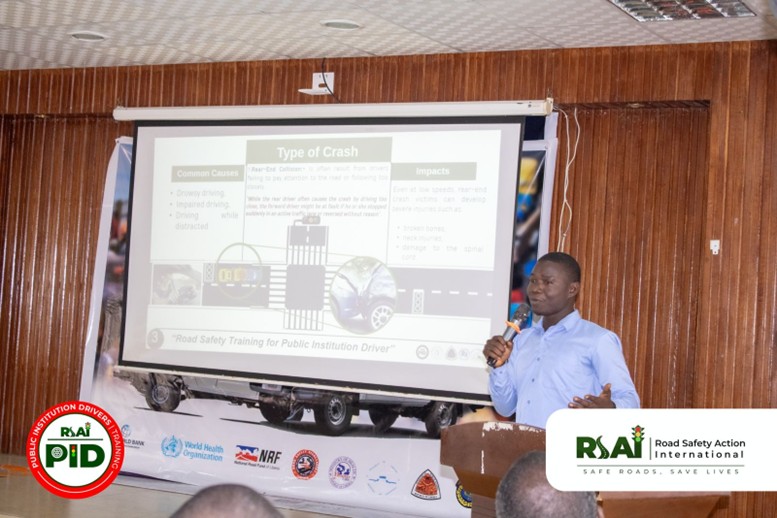
The Public Institution Drivers Training Project aims to build a culture of safe driving among public institution drivers. Drivers are trained in five areas:
-
Traffic laws
Liberia's traffic regulations and how to comply with them.
-
Vehicle inspection
Checking vehicles are safe and roadworthy before use.
-
Driver behaviour and risk factors
The behaviours and conditions that lead to crashes, and how to avoid them.
-
Crash response procedures
What to do at the scene of a crash to protect lives.
-
Road user safety
Protecting vehicle occupants, motorcyclists and pedestrians.
What the Ministry of Health said
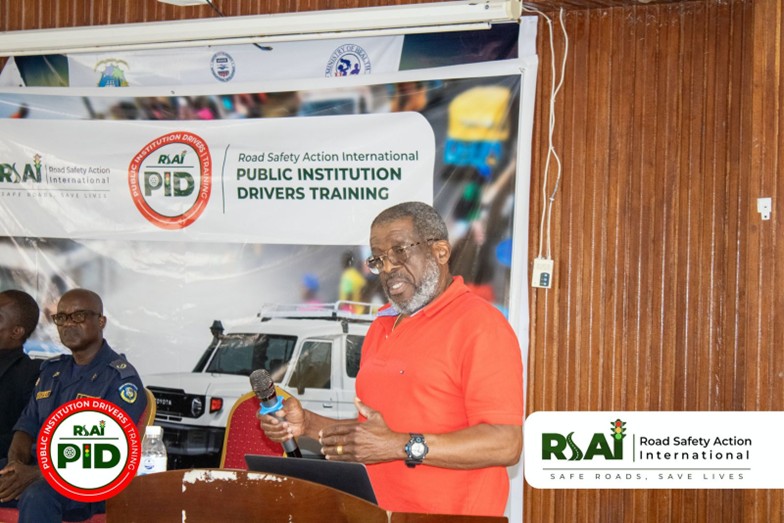
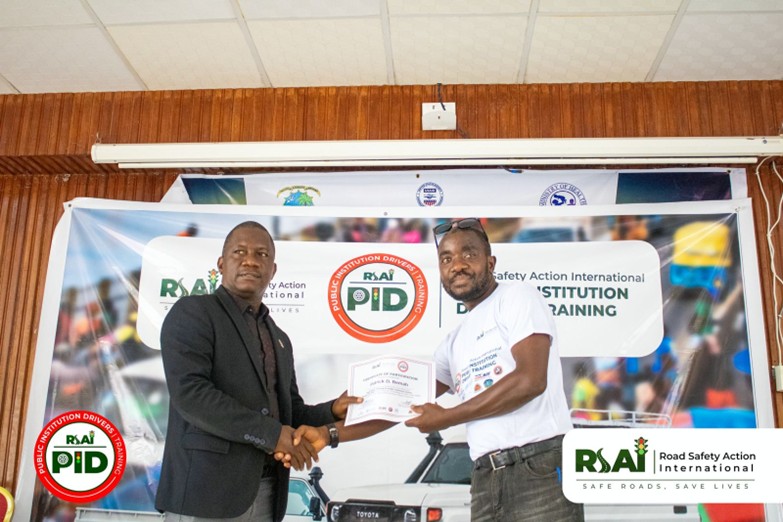
On behalf of the Ministry of Health, Hon. Martha C. Morris, Deputy Minister for Administration, expressed deep appreciation for the training program, saying it aligns with the Ministry's goal of improving operational efficiency through personnel training. She reaffirmed the Ministry's commitment to strengthening institutional capacity through this and other initiatives.
“Investing in the training of our personnel, particularly drivers, is critical to the Ministry's overall function. We recognize the significance of road safety and are fully committed to ensuring that our drivers become exemplary figures for Liberia's road safety.”
Drivers must lead by example
Speaking at the closing ceremony, RSAI's Chairman of the Board of Directors, Mr. Claude E. Langley, emphasized the critical role public institution drivers play in road safety. He said they must lead by example, and that their responsibilities go well beyond operating vehicles.
“More than just drivers, they are responsible for the safety of all road users, including their vehicle occupants, motorcyclists, and pedestrians. Their actions on the road can either contribute to safer roads or increase risks for everyone.”
Phase One and beyond
The first phase of the program extends to three more ministries: the Ministry of Public Works, the Ministry of Agriculture and the Ministry of Education. These ministries were selected for their fleet size and heavy reliance on government vehicles for daily operations.
- MOHMinistry of Health
- MPWMinistry of Public Works
- MOAMinistry of Agriculture
- MOEMinistry of Education
Following Phase One, RSAI is preparing Phase Two, which will bring in more ministries and government agencies. The expansion reflects the commitment of RSAI and its partners to making safe driving standard practice across all public entities and reducing government-related road incidents.
Partners and facilitators
Funding and support
- The World Bank, through the Road Safety Secretariat at the Ministry of Transport, provided financial backing
- The Ministry of Health sponsored the first training session
- The National Road Fund of Liberia has made a strong commitment to working with RSAI
Facilitators
- Road Safety Action International
- Road Safety Secretariat, Ministry of Transport
- Liberia National Police
- Emergency Medical Response, John F. Kennedy Medical Center
As Liberia continues to grapple with high road crash rates, the Public Institution Drivers Training Program offers real hope. With government institutions leading by example, it aims to set a new standard for road safety in Liberia, with public drivers following best practices that will ultimately save lives.
The training will continue over the coming months, with public sector drivers taking a more proactive role in promoting a culture of responsible, careful driving.
For updates on the training sessions and upcoming phases, email info@roadsai.org or call +231 776 782 993 / +231 888 782 993.